As temperatures rise and summer approaches, families naturally spend more time around water—whether it’s backyard pools, beaches, lakes, or water parks. While these moments create lasting memories, they also come with increased risks, especially for children. That’s why learning CPR (cardiopulmonary resuscitation) isn’t just a good idea for parents—it’s an essential life skill that can make the difference between life and death.
Drowning Happens Faster Than You Think
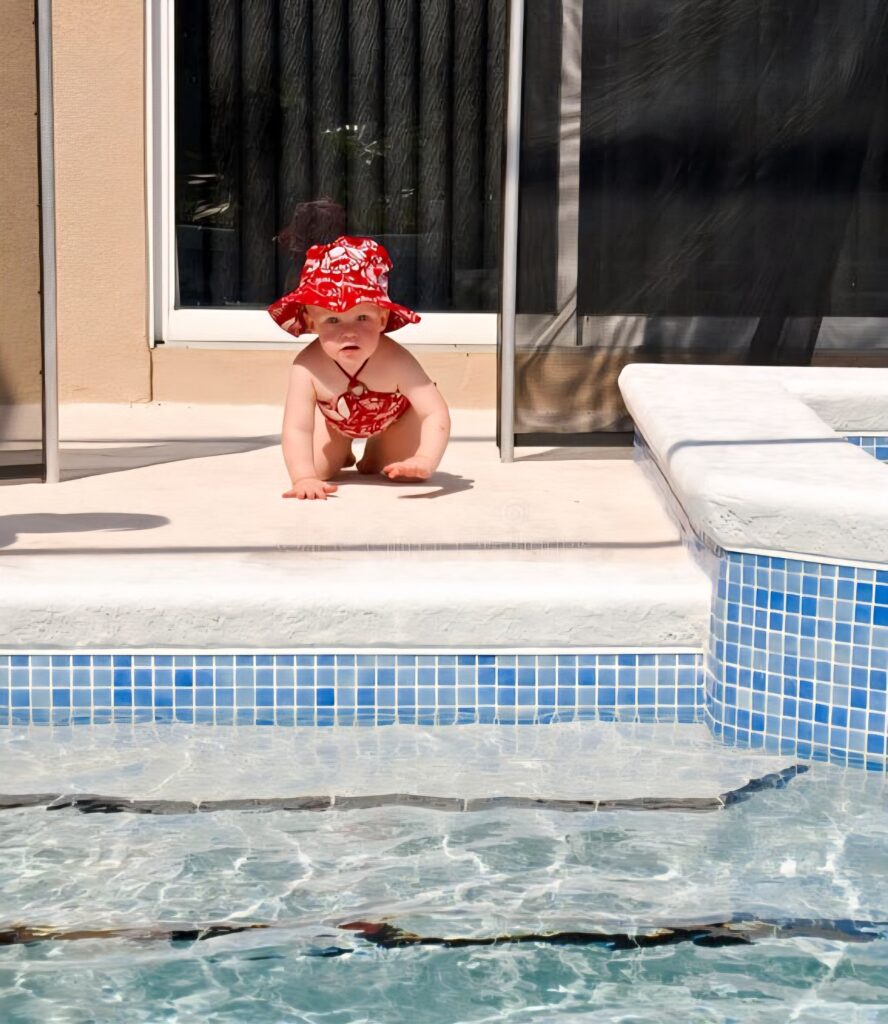
One of the most dangerous misconceptions about drowning is that it’s loud and obvious. In reality, drowning is often silent and can happen in less than a minute. Children can slip under the water without splashing or calling for help, even in shallow areas or while surrounded by others.
When a child is pulled from the water and isn’t breathing, every second matters. Brain damage can begin within 4–6 minutes without oxygen. Emergency responders may take longer than that to arrive, which means the person closest to the child—you—becomes the first responder.
CPR Buys Critical Time
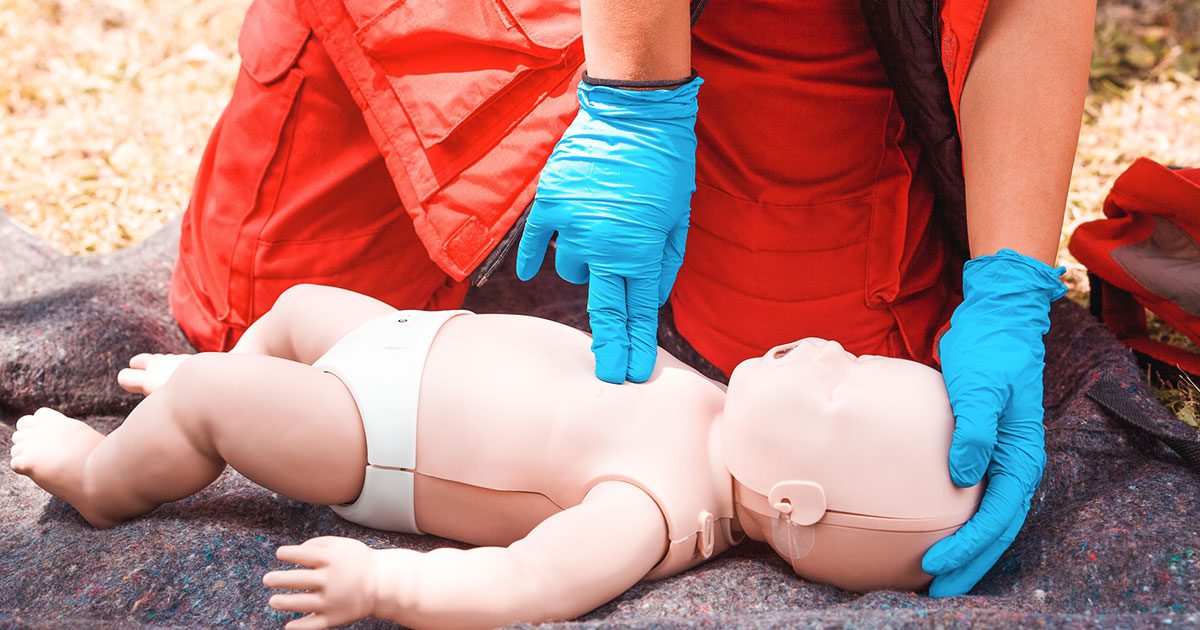
CPR works by manually circulating oxygenated blood to the brain and vital organs when the heart or breathing has stopped. Performing CPR immediately can double or even triple a person’s chances of survival.
For drowning victims, CPR is especially crucial because their primary issue is lack of oxygen. Starting rescue breaths and chest compressions right away can help restore breathing or keep oxygen flowing until professional help arrives.
It Builds Confidence in Emergencies
Emergencies are chaotic by nature, and panic can make it hard to think clearly. Learning CPR ahead of time gives parents the confidence to act quickly and effectively rather than freezing in fear.
Knowing exactly what to do—how hard to press, how fast to count, when to give breaths—turns a terrifying moment into a manageable one. That confidence can also help you take control of the situation, direct others to call 911, and ensure help is on the way.
Kids Are Naturally Drawn to Water
Summer means more opportunities for water exposure: pool parties, beach vacations, and visits to friends’ homes. Even if you don’t own a pool, your child will likely be around one at some point.
Accidents don’t only happen during planned swim time. They can occur during a quick distraction, a moment of curiosity, or when barriers like gates or covers fail. Being CPR-trained adds a crucial layer of protection no matter where your child is.
CPR Training Is Easier Than Ever
Many parents hesitate because they think CPR training is complicated or time-consuming. In reality, most certification classes take just a few hours and are widely available through community centers, hospitals, and organizations like ours. See: https://safetyfirstjacksonville.com/register/
There are also blended options with online learning and short in-person practice sessions, making it easier than ever to fit into a busy schedule.
It Protects More Than Just Your Child
Learning CPR doesn’t just prepare you to help your own child—it equips you to assist anyone in need. That could be another child at the pool, a neighbor, or even a stranger at the beach.
In an emergency, the nearest capable person is often the one who saves a life. By learning CPR, you become that person.
Make This Summer a Safer One
Summer should be filled with fun, laughter, and time spent together—not preventable tragedies. While you can’t eliminate every risk, you can take a powerful step toward safety by learning CPR.
Think of it as part of your summer preparation, just like sunscreen and swim lessons. It’s a small investment of time that could one day save a life.
Because when it comes to your child’s safety, being prepared isn’t optional—it’s everything.