Essential Summer Beach Safety Tips: Protect Your Family and Yourself
Whether you’re a local or a visitor to Jacksonville’s scenic beaches, knowing how to stay safe in the sun and surf is crucial for a fun, memorable summer. At Safety First CPR and Safety Training, our mission is to empower families and individuals of all ages to enjoy the coast with confidence. This guide covers everything you need to know about common beach hazards—like rip currents and jellyfish stings—as well as tips for sun and heat protection.
1. Understanding Rip Currents and How to Respond
What Are Rip Currents?
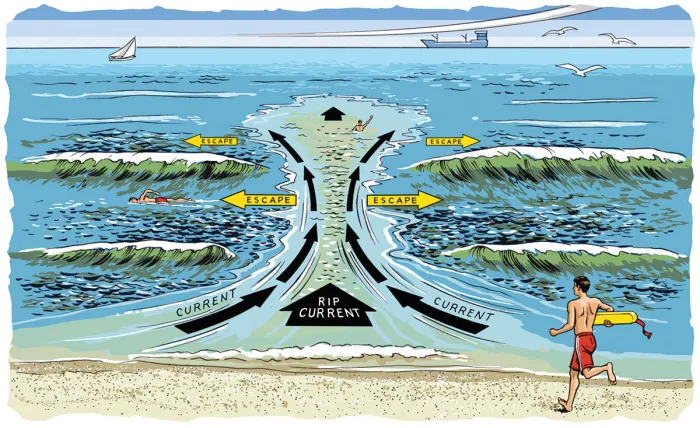
Rip currents are powerful, narrow channels of fast-moving water that can quickly pull swimmers away from shore. They’re the leading cause of lifeguard rescues, especially on Florida’s Atlantic coastline.
How to Avoid Rip Currents:
- Read Warning Flags (see below).
- Swim near lifeguards and in designated swimming areas.
- Look for signs: Discolored, choppy water or breaks in the incoming wave pattern may indicate a rip current.
What to Do If Caught in a Rip Current:
- Stay calm: Do not try to swim directly back to shore—this can exhaust you.
- Float and signal for help: Wave your arms and yell.
- Swim parallel to the shoreline: Once free of the current, swim at an angle back to shore.
- Teach children and accompany younger swimmers close to shore.
2. Beach Flag Warning System: What Do the Colors Mean?
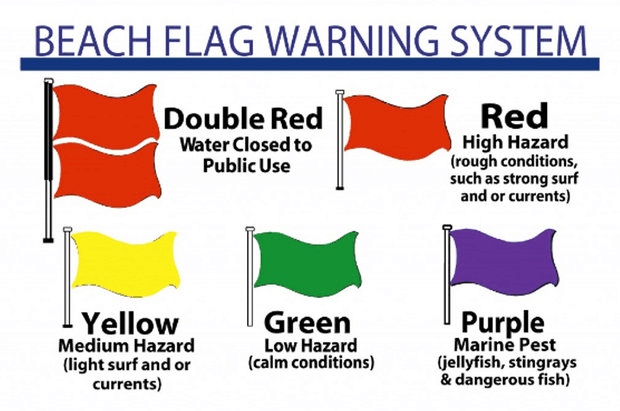
Before entering the water, always check the colored flags, which provide crucial information about the day’s conditions:
- Green Flag: Low hazard – calm conditions, exercise normal caution.
- Yellow Flag: Medium hazard – moderate surf or currents.
- Red Flag: High hazard – strong surf or currents; only strong swimmers should enter.
- Double Red Flag: Water closed to the public.
- Purple Flag: Dangerous marine life spotted (e.g., jellyfish or stingrays). You may still swim, but be extra vigilant.
3. Swimming Safety: Lifeguards & Family Guidelines
Swim Near Lifeguards
Statistics show that drowning chances decrease dramatically when swimming near lifeguards. They’re trained to spot trouble.
- Never swim alone.
- Supervise children at all times. Remind them where it’s safe to wade or swim.
- Avoid alcohol before or during swimming. It impairs judgment and reaction time.
4. Jellyfish Stings: Prevention and First Aid
How to Prevent Stings:
- Stay alert for purple flags. If lifeguards post warnings, avoid swimming.
- Avoid touching jellyfish, even washed up on the shore—they can still sting!
- Wear water shoes or swim shirts for additional protection.
First Aid for Jellyfish Stings:
- Rinse the area with vinegar. Vinegar neutralizes venom from many types of jellyfish stings found in Florida.
- Remove tentacles carefully: Use tweezers, never bare hands.
- Do not rub the area or use fresh water, as these can activate more stingers.
- Apply heat if possible. Hot water (not scalding) reduces pain and inactivates toxins (immerse or apply compresses for 20-45 minutes).
- Seek emergency care if there are signs of an allergic reaction.
5. Sun And Heat Protection: Shield Your Skin and Health
Use Sunscreen Wisely
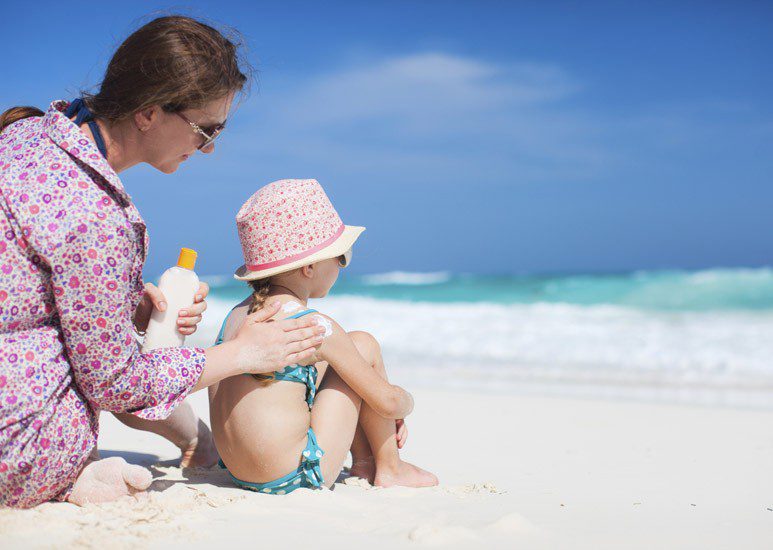
- Choose broad-spectrum (UVA/UVB) sunscreen with SPF 30+ and reapply every 2 hours, or after swimming/sweating.
- Don’t forget ears, feet, and the back of the neck.
- Protect children’s delicate skin with wide-brimmed hats, SPF shirts, and shade.
Avoiding Heat Emergencies
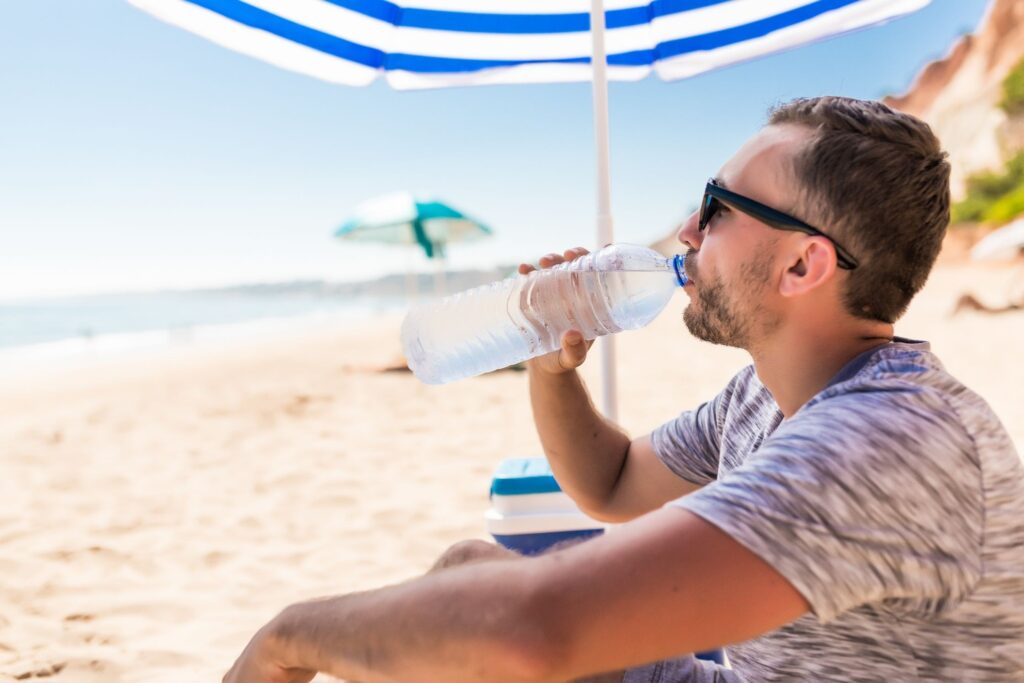
- Hydrate frequently. Drink water even if you’re not thirsty.
- Take breaks in the shade or indoors, especially during peak sun (10 am – 4 pm).
- Never leave children or pets in a vehicle.
Recognizing and Treating Heat Emergencies:
- Heat Exhaustion: Symptoms include heavy sweating, weakness, dizziness, nausea, and headache.
- Move to a cooler place, use cool compresses, and hydrate.
- Heat Stroke: A life-threatening emergency with confusion, loss of consciousness, hot/dry skin, or a rapid pulse.
- Call 911 immediately, move the person to shade, and cool them with wet cloths or ice packs while awaiting help.
6. General Beach Safety Checklist for All Ages
- Know your limits: If you’re not a strong swimmer, use flotation devices and stay in shallow water.
- Have a buddy system: Children should always be paired with an adult.
- Know emergency locations: Identify the nearest lifeguard station and keep a mobile phone handy.
7. Why Beach Safety Training Matters
By preparing yourself and your family with safety knowledge, you can prevent most emergencies before they happen. Consider enrolling in a certified CPR and first aid course, like those offered by us at Safety First CPR and Safety Training, to build your confidence and skills in handling emergencies.
Conclusion
Jacksonville and the Florida coasts provide beautiful, family-friendly beaches—but being prepared is key. By following these tips on recognizing hazards, responding quickly, and understanding safety signals, you’ll ensure a fun, relaxing, and safe experience at the beach all summer long.
Enroll in one of our practical courses today at: https://safetyfirstjacksonville.com/register/.
Stay safe and enjoy your summer adventures!